
infoilmu.com – Lagi mikir mau mulai bisnis online tapi bingung pilih dropshipping atau reseller? Kamu nggak sendirian! Pertanyaan ini adalah salah satu yang paling sering ditanyakan oleh calon entrepreneur pemula. Dan honestly, jawabannya nggak sesimple “yang ini lebih bagus” atau “yang itu lebih cuan”.
Di tahun 2025, baik dropshipping maupun reseller masih jadi pilihan bisnis yang viable dan potentially profitable. Tapi masing-masing punya karakteristik, kelebihan, dan tantangan yang berbeda. Yang cocok buat temen kamu belum tentu cocok buat kamu, dan sebaliknya.
Artikel ini akan break down secara lengkap perbandingan dropshipping vs reseller 2025 dari berbagai aspek—modal, profit margin, risiko, kompleksitas, sampai potensi jangka panjang. Setelah baca artikel ini, kamu akan punya clarity tentang mana model bisnis yang paling align dengan situasi, goals, dan resources yang kamu punya sekarang. Ready? Let’s dive in!
Apa Itu Dropshipping dan Bagaimana Cara Kerjanya?
Sebelum compare kedua model bisnis ini, penting banget untuk understand dulu exactly apa itu dropshipping dan gimana mekanismenya. Many people punya misconceptions tentang model bisnis ini.
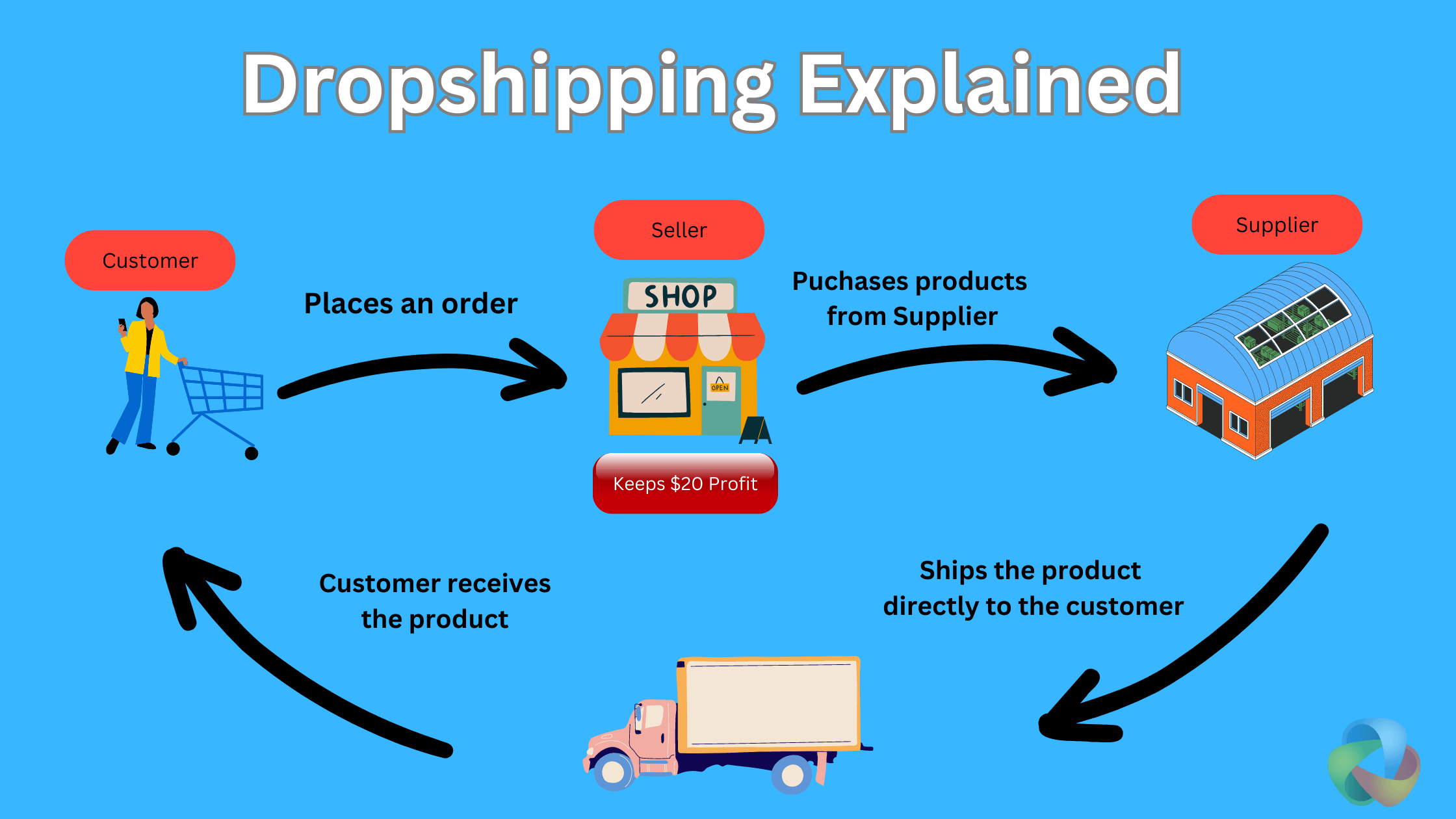
Dropshipping adalah model bisnis di mana kamu jual produk tanpa harus stock barang sama sekali. Prosesnya simple: customer order dari toko online kamu, kamu forward order tersebut ke supplier atau wholesaler, dan mereka yang handle packaging dan shipping langsung ke customer.
Alur Kerja Dropshipping
- Kamu setup toko online atau marketplace account
- List produk dari supplier dengan markup price
- Customer beli produk dari toko kamu
- Kamu order produk tersebut dari supplier dengan harga grosir
- Supplier kirim produk langsung ke customer atas nama toko kamu
- Kamu dapat profit dari selisih harga jual dan harga supplier
Kedengarannya simple dan effortless, kan? Well, reality-nya ada nuances yang perlu dipahami. Dropshipping bukan “easy money” atau “passive income” seperti yang banyak dijual di internet—it requires work, strategy, dan persistence.
Karakteristik Utama Dropshipping
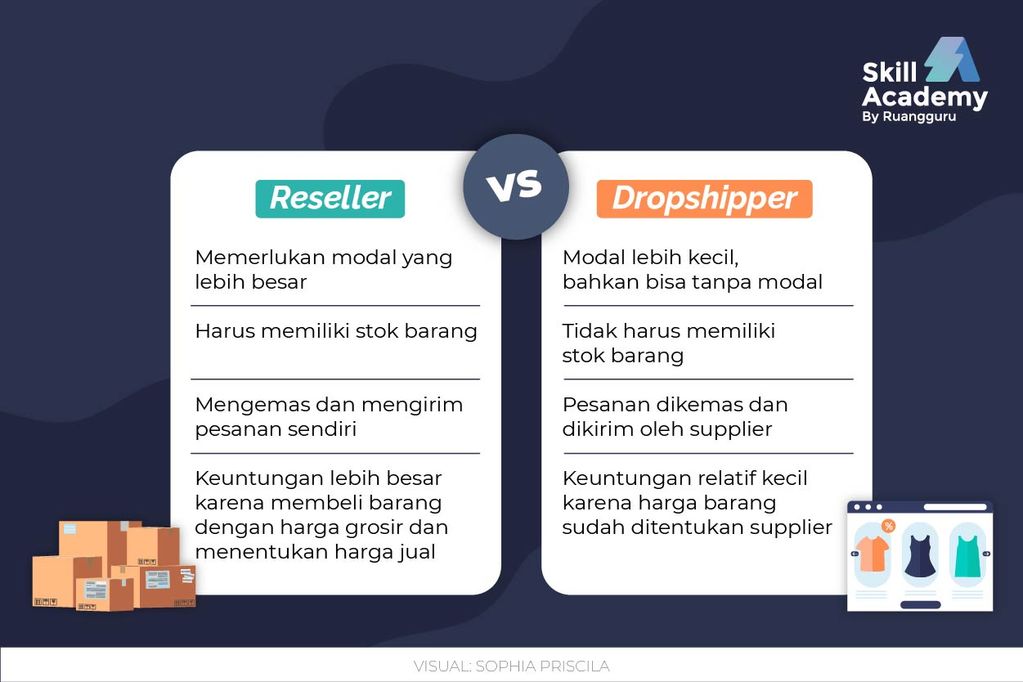
- No inventory: Kamu nggak perlu beli atau simpan stok barang
- Low upfront capital: Modal awal minimal, mostly untuk setup toko dan marketing
- Location independent: Bisa dijalankan dari mana aja selama ada internet
- Supplier dependency: Kamu rely heavily on supplier untuk fulfillment
- Lower margins: Profit per item biasanya lebih kecil
Apa Itu Reseller dan Bagaimana Cara Kerjanya?
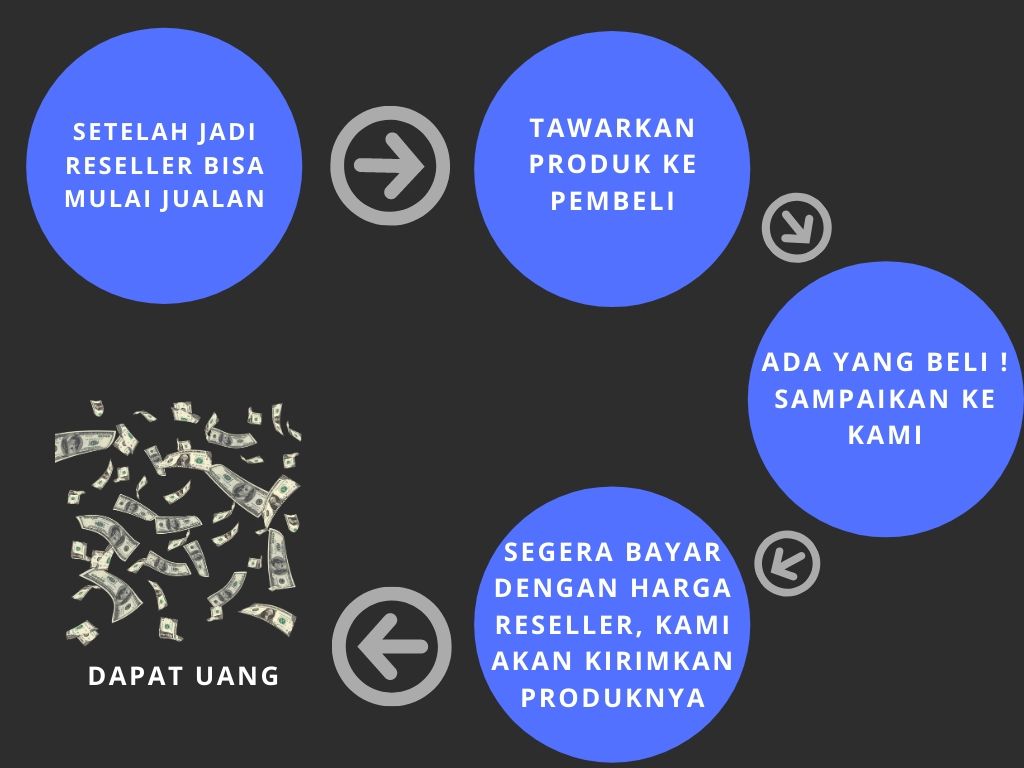
Reseller adalah model bisnis di mana kamu beli produk dalam jumlah tertentu dari supplier atau wholesaler, stock barang tersebut, dan jual kembali dengan harga yang kamu tentukan sendiri.
Ini adalah model bisnis yang lebih traditional dan straightforward—essentially, kamu adalah retailer yang beli wholesale dan jual retail.
Alur Kerja Reseller
- Research produk yang potensial laku di market
- Beli produk dalam jumlah tertentu dari supplier dengan harga grosir
- Stock barang di rumah atau warehouse
- List dan promosikan produk di toko online atau marketplace
- Ketika ada order, packing dan kirim produk sendiri
- Profit dari selisih harga beli grosir dan harga jual retail
Reseller model gives you more control tapi juga more responsibility. Kamu handle everything dari storage sampai shipping.
Karakteristik Utama Reseller
- Inventory ownership: Kamu beli dan own produk sebelum dijual
- Higher upfront capital: Perlu modal untuk purchase stock awal
- Full control: Kamu control quality, packaging, dan shipping
- Higher margins: Profit per item typically lebih besar
- Operational work: Handle packing, shipping, dan inventory management
Perbandingan Modal: Dropshipping vs Reseller 2025
Salah satu faktor terbesar dalam memilih model bisnis adalah berapa modal yang kamu punya untuk start. Let’s break down modal requirements untuk masing-masing.
Modal untuk Dropshipping
Dropshipping adalah winner clear dalam hal modal minimum. Kamu bisa literally start dengan budget under Rp 1 juta.
Breakdown modal dropshipping:
- Toko online setup: Rp 0 – 500k (bisa pakai marketplace gratis atau website builder affordable)
- Domain dan hosting: Rp 100k – 300k per tahun (kalau bikin website sendiri)
- Marketing budget: Rp 500k – 2 juta (untuk ads, content creation, dll)
- Tools dan software: Rp 0 – 500k (kebanyakan ada free options)
- Sample products: Rp 200k – 500k (recommended untuk quality check)
Total estimated starting capital: Rp 1-3 juta, dan bahkan bisa lebih rendah kalau kamu maximize free tools dan organic marketing.
Modal untuk Reseller
Reseller requires significantly more capital karena kamu harus purchase inventory upfront.
Breakdown modal reseller:
- Initial inventory purchase: Rp 3 juta – 10 juta+ (depending on product dan quantity)
- Toko online setup: Rp 0 – 500k
- Storage space: Rp 0 (kalau di rumah) – 1 juta+ per bulan (kalau sewa warehouse)
- Packaging materials: Rp 300k – 1 juta
- Shipping supplies: Rp 200k – 500k
- Marketing budget: Rp 500k – 2 juta
Total estimated starting capital: Rp 5-15 juta minimum, potentially more depending on scale dan product choice.
Verdict: Modal
Winner: Dropshipping untuk minimum capital requirement. Tapi remember, lower capital juga often means lower returns, at least di awal.
Reseller needs more money upfront tapi with potential untuk higher and faster returns kalau produk yang kamu pilih laku keras.
Perbandingan Profit Margin: Mana yang Lebih Cuan?
Ini adalah pertanyaan paling penting, kan? Mari kita break down realistic profit margins dari masing-masing model bisnis dropshipping vs reseller 2025.
Profit Margin Dropshipping
Dropshipping typically has lower profit margins karena kamu nggak bisa leverage economies of scale dan competition often fierce.
Realistic profit margins:
- Average margin: 10-30% dari harga jual
- Good margin: 30-50% (achievable dengan right niche dan products)
- Exceptional margin: 50%+ (rare, biasanya pada niche products atau unique items)
Contoh calculation: Kamu jual produk Rp 200k, supplier price Rp 150k, profit kamu Rp 50k (25% margin). Sounds decent, tapi setelah dikurangi marketing cost, payment gateway fees, dan operational expenses, net profit bisa turun ke 15-20%.
Untuk earn Rp 10 juta net profit per bulan dengan 20% margin, kamu perlu generate Rp 50 juta sales. That’s significant volume.
Profit Margin Reseller
Reseller generally enjoys higher margins karena kamu beli dengan harga grosir yang lebih murah dan punya full pricing control.
Realistic profit margins:
- Average margin: 30-50% dari harga jual
- Good margin: 50-100% (common untuk fashion, accessories, atau imported goods)
- Exceptional margin: 100%+ (achievable dengan right products dan branding)
Contoh calculation: Kamu beli produk Rp 50k grosir, jual Rp 150k, profit Rp 100k (67% margin). After operational costs, net profit masih bisa 50-60%. Untuk earn Rp 10 juta net profit dengan 50% margin, kamu hanya perlu Rp 20 juta sales—setengah dari dropshipping.
Verdict: Profit Margin
Winner: Reseller untuk higher per-item profit. Tapi perlu diingat, higher margin nggak automatically mean higher total profit. Volume matters too.
Dropshipping might have lower margins tapi could potentially compensate dengan higher volume karena kamu bisa list unlimited products tanpa inventory constraint.
Perbandingan Risiko: Dropshipping vs Reseller
Every business has risks. Understanding risk profile dari masing-masing model adalah crucial untuk decision making.
Risiko Dropshipping
Dropshipping has lower financial risk tapi higher operational risks:
- Supplier reliability: Kalau supplier delay, stock out, atau send wrong items, reputation kamu yang kena
- Quality control: Kamu nggak bisa inspect products sebelum dikirim ke customers
- Shipping times: Often longer, especially kalau supplier dari luar negeri
- Stock availability: Produk bisa suddenly unavailable, causing order cancellations
- Competition: Low barrier to entry means banyak competitors selling same products
- Limited differentiation: Sulit build unique brand kalau produk sama dengan banyak sellers lain
Financial loss risk is minimal karena kamu nggak stuck dengan inventory, tapi reputation risk adalah significant.
Risiko Reseller
Reseller has higher financial risk tapi more control over operations:
- Dead stock: Biggest risk—barang nggak laku dan modal tertahan
- Capital tied up: Money locked dalam inventory yang belum terjual
- Storage issues: Produk rusak, hilang, atau kena masalah penyimpanan
- Market changes: Trends shift dan produk yang kamu stock jadi outdated
- Cash flow: Need consistent sales untuk maintain healthy cash flow
- Theft atau damage: Physical inventory berisiko hilang atau rusak
Tapi, kamu punya more control over quality, shipping speed, dan customer experience, which reduces reputation risk.
Verdict: Risiko
Winner: Dropshipping untuk lower financial risk, especially untuk beginners. Tapi if you value control dan willing to take calculated financial risks untuk higher rewards, reseller might be worth it.
Perbandingan Operasional dan Workload
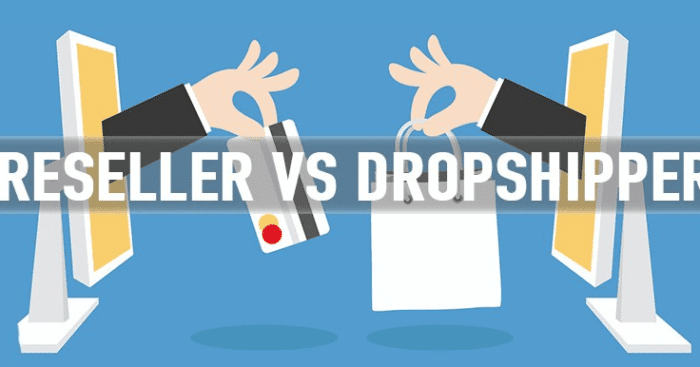
Complexity dan daily workload significantly berbeda antara dropshipping vs reseller 2025. Let’s compare realistic day-to-day operations.
Operasional Dropshipping
Dropshipping requires less physical work tapi more digital management:
Daily tasks:
- Monitor dan process orders
- Forward orders ke suppliers
- Update customers tentang shipping status
- Handle customer inquiries dan complaints
- Update product listings dan prices
- Marketing dan content creation
- Monitor supplier stock levels
Time commitment: 2-4 jam per hari untuk maintain established dropshipping business. Could be more di early stages untuk setup dan marketing.
Skills needed: Digital marketing, customer service, supplier management, e-commerce platform proficiency.
Operasional Reseller
Reseller involves more physical work dan inventory management:
Daily tasks:
- Process dan pack orders
- Arrange shipping dan pickups
- Manage inventory levels
- Restock products yang sold out
- Quality check new stock arrivals
- Handle returns dan exchanges
- Marketing dan customer service
- Organize storage space
Time commitment: 4-8 jam per hari, depending on order volume. Physical work seperti packing adalah unavoidable.
Skills needed: Inventory management, packaging efficiency, logistics coordination, product sourcing, plus digital marketing dan customer service.
Verdict: Operasional
Winner: Dropshipping untuk easier dan less time-intensive operations, especially kalau kamu value flexibility dan want to run business remotely.
Reseller is more hands-on dan requires physical presence, but some people prefer this karena gives them more tangible control.
Branding dan Customer Experience
Ability untuk build brand dan deliver exceptional customer experience berbeda significantly antara kedua model.
Branding dalam Dropshipping
Dropshipping makes branding challenging but not impossible:
Limitations:
- Can’t customize packaging (unless supplier offers)
- No control over product quality consistency
- Shipping times often longer
- Difficult to differentiate dari competitors selling same products
Opportunities:
- Focus pada content marketing dan brand story
- Build community around niche atau lifestyle
- Exceptional customer service untuk compensate other limitations
- Curate unique product selections
Some successful dropshippers overcome branding challenges dengan find unique suppliers, create compelling brand narratives, dan deliver outstanding service.
Branding dalam Reseller
Reseller has much more branding flexibility:
Advantages:
- Full control over packaging dan presentation
- Can add branded materials, thank you notes, samples
- Quality control sebelum ship ke customers
- Faster shipping times dari local warehouse
- Ability untuk customize atau modify products
Opportunities:
- Create unique unboxing experience
- Build strong brand identity
- Develop loyal customer base
- Eventually transition ke private label atau own products
Strong brand is valuable asset yang makes business more sustainable dan less vulnerable to competition.
Verdict: Branding
Winner: Reseller hands down untuk branding potential dan customer experience control. If building a lasting brand adalah priority, reseller gives you the tools.
Scalability: Potensi Pertumbuhan Jangka Panjang
Mari kita lihat scalability dan long-term growth potential dari masing-masing model bisnis.
Scaling Dropshipping
Dropshipping has unique scaling characteristics:
Easy to scale:
- Add unlimited products tanpa inventory investment
- Expand ke new markets atau niches easily
- No physical space limitations
- Can automate much of the process
Hard to scale:
- Marketing costs increase proportionally dengan sales
- Customer service becomes overwhelming dengan high volume
- Quality control issues multiply dengan scale
- Profit margins stay thin regardless of volume
Many dropshippers hit ceiling di certain revenue level dan struggle untuk scale beyond that tanpa changing business model.
Scaling Reseller
Reseller scaling requires more investment tapi has higher ceiling:
Advantages saat scaling:
- Better negotiating power dengan suppliers as volume increases
- Economies of scale—lower per-unit costs
- Can hire team untuk handle operations
- Higher margins support bigger marketing budgets
- Stronger brand loyalty supports organic growth
Challenges saat scaling:
- Requires significant capital injection untuk bigger inventory
- Need larger storage space
- More complex logistics management
- Higher stakes—bigger losses kalau products don’t sell
Successful resellers often evolve into proper retail businesses atau even manufacturers dengan their own product lines.
Verdict: Scalability
Winner: Reseller untuk long-term scalability dan growth potential. Dropshipping easier untuk scale horizontally (more products), tapi reseller better untuk scale vertically (bigger operation, higher revenue, stronger business).
Mana yang Lebih Cocok untuk Kamu?
Sekarang setelah comprehensive comparison, mari kita determine which model fits your situation better.
Pilih Dropshipping Kalau:
- Kamu absolute beginner tanpa business experience
- Modal sangat terbatas (under Rp 5 juta)
- Want to test business ideas dengan minimal risk
- Prefer digital work over physical operations
- Value location independence—want to run business dari mana aja
- Nggak punya space untuk storage
- Want to explore multiple niches sebelum commit
- Comfortable dengan lower margins in exchange untuk lower risk
Pilih Reseller Kalau:
- Punya modal adequate untuk invest dalam inventory (Rp 5-15 juta+)
- Want higher profit margins per sale
- Value control over product quality dan customer experience
- Serious about building lasting brand
- Comfortable dengan inventory risk
- Have space untuk storage atau willing untuk sewa
- Don’t mind physical work seperti packing dan shipping
- Want faster path ke substantial income
Hybrid Approach: Best of Both Worlds?
Actually, kamu nggak harus choose exclusively satu atau yang lain. Many successful entrepreneurs use hybrid approach:
Strategy 1: Start Dropshipping, Transition to Reseller
Start dengan dropshipping untuk test products dan learn market. Once you identify winning products, buy inventory dan transition ke reseller untuk those items while keep dropshipping untuk new or slow-moving items.
Strategy 2: Resell Core Products, Dropship Complementary Items
Stock bestsellers yang you’re confident about, tapi dropship related products yang diversify offering tanpa inventory risk.
Strategy 3: Geographic Hybrid
Resell untuk local market di mana you can control shipping dan service, dropship untuk customers di other regions atau countries.
Tips Sukses untuk Dropshipping di 2025
Kalau kamu decide untuk go dengan dropshipping, here are strategies untuk maximize success:
- Find reliable suppliers: Vet suppliers thoroughly—order samples, check reviews, test communication
- Niche selection is crucial: Don’t try to compete di oversaturated markets. Find profitable micro-niches
- Invest dalam marketing: With thin margins, you need volume. Master paid ads atau organic traffic generation
- Automate processes: Use tools untuk streamline order processing dan customer communication
- Exceptional customer service: This is your main differentiator. Be responsive dan helpful
- Transparent about shipping: Set realistic expectations tentang delivery times
- Build email list: Repeat customers are gold dalam dropshipping
Tips Sukses untuk Reseller di 2025

Kalau pilihan kamu adalah reseller, implement strategies ini:
- Product research is everything: Invest time untuk find products yang actually sell. Use tools, check trends, analyze competition
- Start small: Don’t overstock di awal. Buy conservative quantities until you validate demand
- Negotiate dengan suppliers: Build relationships. Better terms come dengan time dan volume
- Perfect your packaging: Create memorable unboxing experience yang encourages word-of-mouth
- Fast shipping: Speed is competitive advantage. Ship same-day atau next-day when possible
- Quality photos: Invest dalam good product photography. Visual appeal matters
- Inventory management system: Track stock levels carefully untuk avoid stockouts atau overstock
- Build brand identity: Develop consistent brand aesthetics, voice, dan values
Common Mistakes untuk Dihindari
Regardless of which path you choose dalam pertarungan dropshipping vs reseller 2025, avoid pitfalls ini:
Mistakes di Dropshipping:
- Choosing products solely berdasarkan margin tanpa consider demand
- Not ordering samples sebelum list products
- Using multiple suppliers tanpa testing consistency
- Copying competitor’s store exactly
- Ignoring customer complaints about shipping delays
- Not having backup suppliers
Mistakes di Reseller:
- Buying too much inventory too soon
- Choosing trendy products yang might be outdated soon
- Poor inventory tracking leading to stockouts atau overstock
- Underestimating storage dan operational costs
- Not calculating true profit after all expenses
- Competing solely on price instead of value
Kesimpulan: Dropshipping vs Reseller 2025—Final Verdict
So, mana yang lebih cuan—dropshipping atau reseller di 2025? Truth is, there’s no universal answer. Both dapat menghasilkan profit yang substantial kalau executed properly.
Dropshipping adalah excellent starting point untuk absolute beginners dengan limited capital. It’s lower risk, requires minimal investment, dan allows you untuk learn e-commerce fundamentals tanpa big financial exposure. Perfect untuk test ideas dan build initial experience.
Reseller offers higher profit potential, more control, better branding opportunities, dan stronger long-term business foundation. It requires more capital dan carries higher risk, tapi rewards can be proportionally greater.
Pertimbangan utama untuk decision kamu:
- Modal available: Under Rp 5 juta = dropshipping; Rp 5 juta+ = consider reseller
- Risk tolerance: Low = dropshipping; Medium-high = reseller
- Time commitment: Limited = dropshipping; Substantial = reseller
- Goals: Test waters = dropshipping; Build lasting business = reseller
Remember, many successful entrepreneurs started dengan dropshipping untuk learn ropes, lalu evolved ke reseller atau hybrid model as they gained experience dan capital. There’s no shame dalam starting small dan scaling up gradually.
Yang terpenting adalah action. Choose model yang makes sense untuk your situation right now, commit untuk execute it well, learn from results, dan iterate. Both dropshipping dan reseller bisa jadi path ke financial freedom—pilih yang align dengan resources dan goals kamu, then go all in.
Good luck dengan entrepreneurial journey kamu di 2025! Semoga artikel ini help kamu make informed decision dalam pertarungan dropshipping vs reseller. Now stop overthinking dan start building!